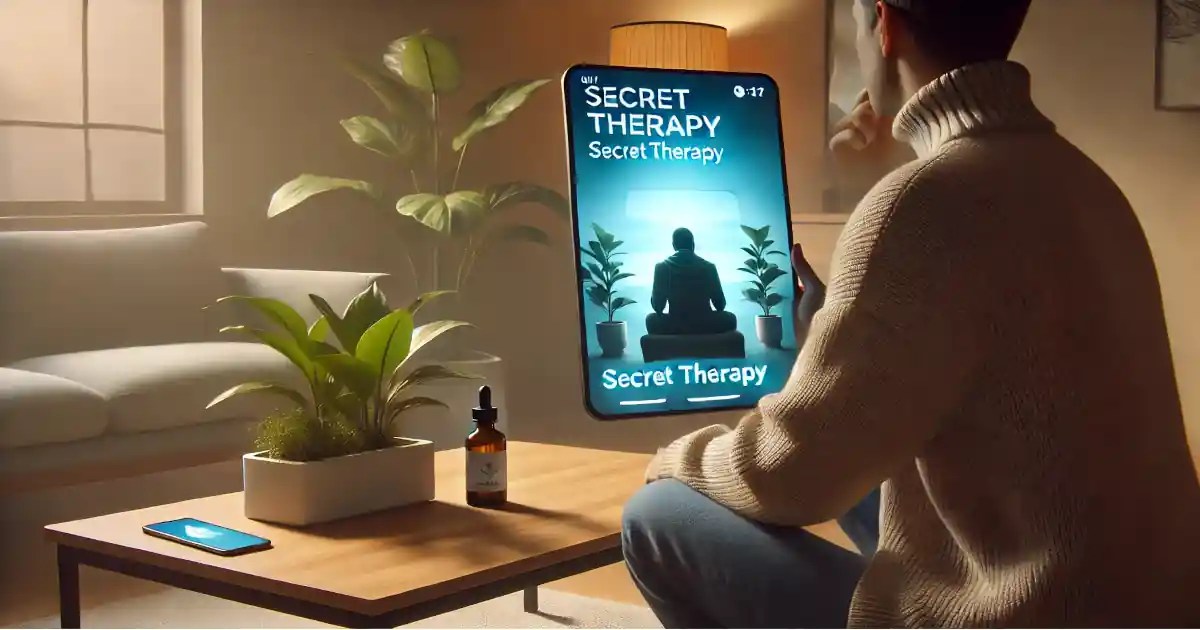
In recent months, a new corner of the internet has emerged, colloquially dubbed "Secret Therapy Twitter." While it isn't an official feature or a clinical platform, it represents a growing trend where users share intimate, raw, and sometimes unfiltered mental health experiences within private or semi-private circles. But is this digital support system actually healthy, or is it a dangerous echo chamber?
The Rise of the Digital Support Group
The appeal of Secret Therapy Twitter lies in its immediacy. For many, traditional therapy is inaccessible due to cost, waitlists, or geographical barriers. This subculture offers a sense of instant validation. By connecting with strangers who share similar struggles—whether it be neurodivergence, trauma, or anxiety—users find a community that feels safer and more relatable than a sterile doctor's office. It turns the platform into a communal diary where vulnerability is the currency of connection.
- •Marla Maples Children Remarkable Lives And Stories
- •How To Best Securely Connect Remoteiot P2p Ssh Raspberry Pi Download
- •Rising Star Lola Flanerys Bright Path In Hollywood
- •Spiderman Amp Sophie Rain A Unique Connection In The Spidey Universe
- •Unveiling The Unique Bond Kourtney Kardashian And Travis Barker
The Controversial Reality
However, the platform is not without its critics. Experts argue that "Secret Therapy Twitter" lacks the essential safeguards of professional mental healthcare. Without licensed supervision, misinformation can spread rapidly, and vulnerable users may be exposed to "trauma dumping" or toxic positivity that exacerbates their condition rather than alleviating it. Furthermore, the performative nature of social media can encourage users to commodify their pain for engagement, potentially hindering the authentic healing process.
Ultimately, while these digital spaces provide a valuable sense of belonging, they are not a substitute for clinical intervention. If you are exploring this side of the platform, approach it as a supplement to—not a replacement for—professional support. Finding community is powerful, but ensuring that community is grounded in safety and expertise remains the most important step in any mental health journey.
To explore further academic studies and guidelines, refer to search results on Official Academic & Government Portals.